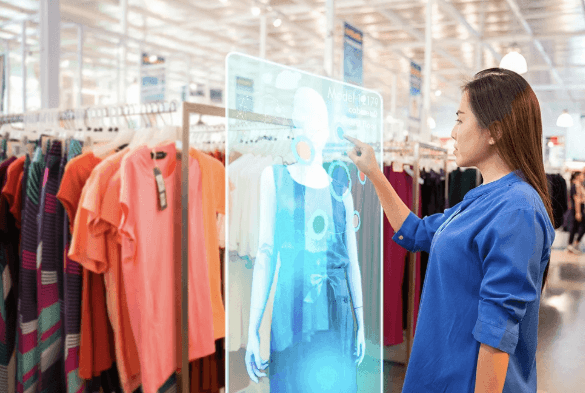
Smart retail is evolving through real-time data, edge analytics, and connected devices that personalise experiences at scale. Sensors, AI, and seamless data flows enable context-aware offers across channels, while governance and privacy safeguards ensure responsible deployment. Operational efficiency meets ethical oversight, shaping store robotics, omnichannel platforms, and experiential design. The trajectory points toward more equitable, privacy-conscious shopping journeys, but practical questions remain about implementation, standards, and governance—timing, cost, and interoperability will determine who leads.
What Is the Future of Smart Retail and How It Changes Shopping
The future of smart retail is defined by the seamless integration of data-driven insights, connected devices, and automated processes that collectively enhance the shopper journey. This trajectory emphasizes the future of automation, robust data governance, and omnichannel ethics while leveraging store robotics to optimize operations. Privacy safeguards and customer privacy considerations empower freedom, shaping transparent, efficient experiences across channels and devices.
How AI, Sensors, and Data Drive Real-Time Personalization at Scale
AI, sensors, and vast data streams converge to enable real-time personalization at scale by translating shopper signals into immediate, context-aware experiences; enterprises harness synchronized edge analytics, streaming insights, and adaptive interfaces to deliver relevant offers, guidance, and product suggestions. However, AI bias, sensor latency, data governance, privacy ethics shape deployment, governance, and continuous improvement across omnichannel ecosystems.
Navigating Privacy, Ethics, and Accessibility in Connected Experiences
As connected retail experiences expand, organizations must balance data-driven personalization with rigorous privacy safeguards, ethical oversight, and universal accessibility.
The discourse centers on measurable risk management, transparent data practices, and accountable AI governance, guiding future deployments.
Privacy ethics considerations shape policy and product design, while accessibility considerations ensure inclusive interfaces and equitable experiences across devices, contexts, and user needs for freedom-driven innovation.
From In-Store to Online: Building Seamless, Immersive Omnichannel Journeys
Retail environments increasingly blend physical and digital touchpoints, leveraging privacy-informed data strategies and accessible design to craft unified customer journeys.
Omnichannel platforms integrate store navigation, online catalogs, and mobile apps into a cohesive workflow.
Sensor fusion enables real-time context, guiding product discovery and personalized recommendations.
Strong data governance ensures transparency, security, and freedom to explore innovative, seamless shopping experiences across channels.
Frequently Asked Questions
How Will Smart Retail Affect Job Roles and Careers?
The question: Smart retail will reshape roles, with automation redefining tasks and analytics guiding decisions; jobs impact shifts toward higher-skill positions. Skill evolution accelerates as employees adapt, embracing data literacy, automation operation, and customer-centric analytics for resilience.
What Are the Costs for Implementing Smart Storefronts?
Silence, circuits, and glass: a cost breakdown reveals upfront hardware options, installation, and ongoing maintenance. The figure dances with software, data, and integration, yet freedom-minded operators anticipate scalable deployment, adaptable hardware options, and predictable total cost of ownership across storefronts.
Can AI Predict Consumer Behavior Without Bias?
AI cannot predict consumer behavior without bias. Projections depend on data quality, modeling assumptions, and privacy constraints; thus bias in AI predictions may persist. Emphasis on data privacy ethics and transparent methodologies guides responsible, forward-looking analytics for freedom-seeking audiences.
See also: What Are Wrapped Tokens in Blockchain?
How Secure Are Connected Shopping Devices and Data?
Connected shopping devices present evolving risk but strengthen with robust privacy controls and data governance. The analysis anticipates multiple layers of encryption, device attestation, and access audits to mitigate breaches, addressing privacy concerns while pursuing a freedom‑preserving, data‑driven future.
Will Regulations Limit Immersive Shopping Technologies?
Regulatory challenges are likely to shape immersive compliance, as authorities address data, privacy, and safety in immersive shopping. The trajectory suggests prudent limits that balance innovation with consumer freedom, guiding tech-forward deployments while ensuring accountable, transparent platforms for users.
Conclusion
The trajectory of smart retail is a data-driven ascent toward ever-better context-aware experiences, powered by AI, sensors, and real-time analytics. As edge computing scales, personalization becomes instantaneous and seamless across channels. Privacy, ethics, and accessibility will shape trusted adoption, while governance standards ensure responsible innovation. Stores, brands, and platforms must orchestrate immersive journeys with transparent data practices. The future is a hyperconnected shopping ecosystem—a revolution so comprehensive it will redefine every customer interaction.